
04
Sep
Where Foot Traffic Actually Stops: Miracle Mile vs. Giralda Plaza
| When evaluating commercial property in Downtown Coral Gables, one of the most frequent questions business owners and investors ask is deceptively simple: “How much foot traffic does this block actually get?” In real estate, raw foot traffic is only half the equation. The more critical metric is dwell time: how people move, when they move, and how long they linger. Following the City’s landmark $21M streetscape redesign completed in 2018, Downtown Coral Gables created two distinct pedestrian micro-markets just one block apart: Miracle Mile and Giralda Plaza. Knowing how they differ is essential for matching your business model to the right footprint. 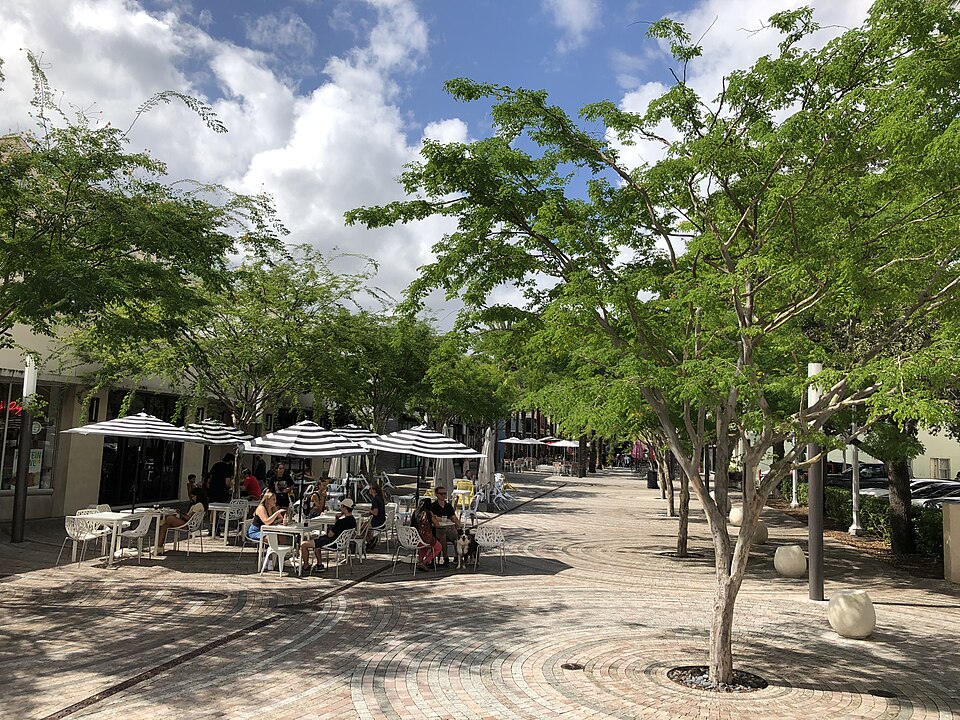 Giralda Plaza | Credit: Oliverm31 1. Giralda Plaza: High Dwell Time & Event-Driven Surges When the 100 block of Giralda Avenue was transformed into a curb-less, pedestrian-only promenade, it completely restructured visitor behavior. Daily Footprint vs. Peaks: Under normal baseline conditions, western Giralda Plaza pedestrian counters record an average of 2,100 to 6,000 pedestrians per day. During major public art activations and peak seasonal events (such as Umbrella Sky and BID culinary showcases), city sensor data reveals surges climbing to nearly 20,000 daily visitors. The “Dwell” Factor: Because there is no vehicle traffic, pedestrian dwell times increase by an estimated 20% to 30% compared to traditional sidewalks. Visitors aren’t walking past to get somewhere else—they have arrived at their destination. Best CRE Fit: Food & beverage concepts, experiential retail, boutique dessert lounges, and lifestyle operators that thrive on outdoor seating, evening/weekend traffic, and impulse visits. 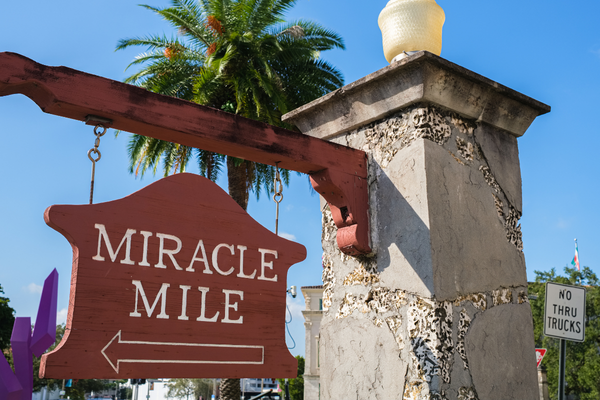 Image Credit: RAUL RODRIGUEZ from Getty Images via Canva 2. Miracle Mile: Daytime Consistency & Professional Density Miracle Mile’s redesign focused on widening multi-hued granite sidewalks while preserving deliberate, slow-moving vehicular traffic and street parking. Steady Corporate Daytime Traffic: Rather than spiking on Friday nights, Miracle Mile benefits from consistent daytime traffic generated by the 10+ million square feet of Class A & B office space within the immediate Coral Gables CBD. Dual Exposure (Pedestrians + Windshields): With over 12,000 to 15,000 vehicles filtering through downtown daily corridors, tenants benefit from visual brand impressions that pedestrian-only promenades cannot offer. High-Intent Shoppers: Foot traffic on the Mile tends to be purposeful—clients heading to wealth management appointments, corporate lunches and happy hours at standard-bearers like Hillstone or Seasons 52, and destination shoppers visiting bridal salons and jewelers. Best CRE Fit: Cafes, private banking, medical/wellness boutiques, high-end bridal/apparel, and daytime lunch or dinner establishments. 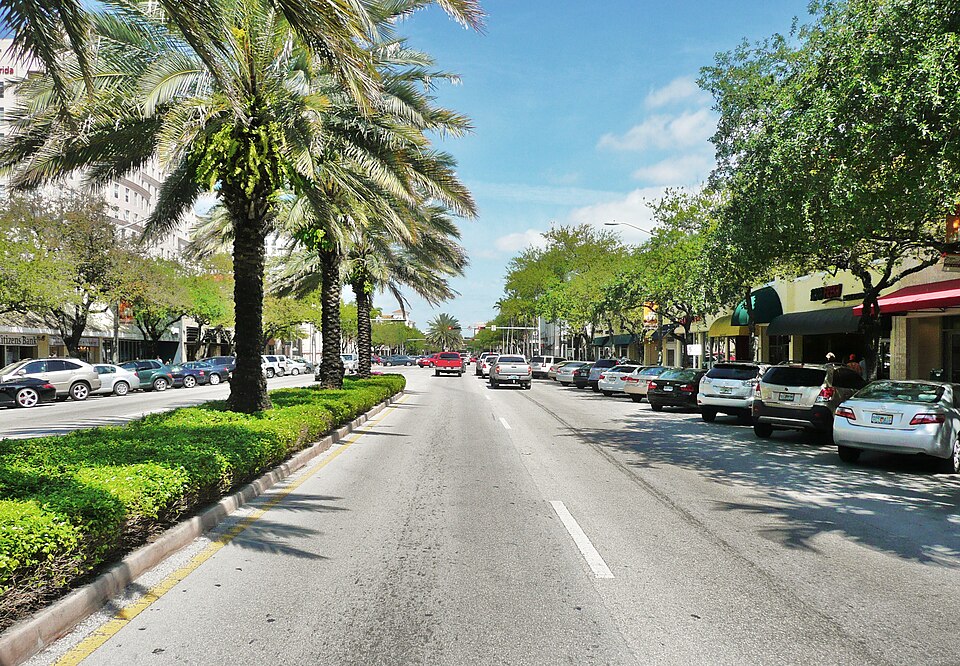 Miracle Mile in Coral Gables | Credit: Averette The Real Estate Takeaway Securing space on a pedestrian plaza when you rely on high-volume vehicular visibility will leave you frustrated. Conversely, opening an impulse-driven sweet shop on a busy vehicular right of way is most certainly leaving some jelly beans on the table. Matching streetscape design with operational reality is what separates an underperforming space from a flagship location. |
| Location strategy is about more than just an address. Let’s connect for Real Solutions for Real Estate tailored to your needs. |
| 786.567.8474 |